David discovers the curiosities that have led to accusations of forgery but have ultimately helped us rethink evolution. When early explorers brought the first specimen of a duck-billed platypus back to England in 1799, it was thought so bizarre it was deemed a hoax, while the midwife toad became the centre of a raging scientific storm in the 1920s that led to accusations of fakery.
Overview
Sir David shines the spotlight on some of nature’s evolutionary anomalies and reveals how these curious animals continue to baffle and fascinate.
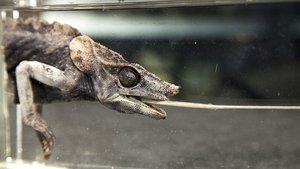
Some animals appear to have taken Nature’s gifts and stretched them to extreme limits. With these two natural curiosities one creature, the giraffe, has ended up with a super-stretched neck, the other, the chameleon, a...
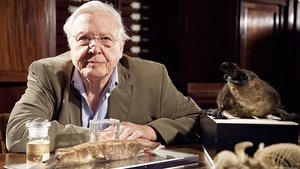
David discovers the curiosities that have led to accusations of forgery but have ultimately helped us rethink evolution. When early explorers brought the first specimen of a duck-billed platypus back to England in 1799, it...
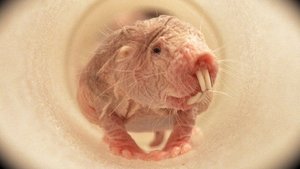
David encounters two examples where Nature has tinkered with the aging process to alarmingly different effect – the first grows old while trapped in a young body while the second looks old from birth but...
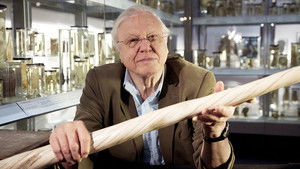
The single spiral tusk of the narwhal inspiration for tales of unicorns and the myriad variations on the twist of the snail shell have delighted and fascinated naturalists and artists since the dawn of civilization.
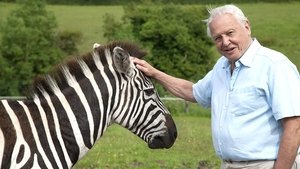
Zebra stripes vary subtly between the different species but there is one group of animals that has evolved colourful patterns of seemingly infinite variety, the butterflies. In this episode David looks at two examples of...